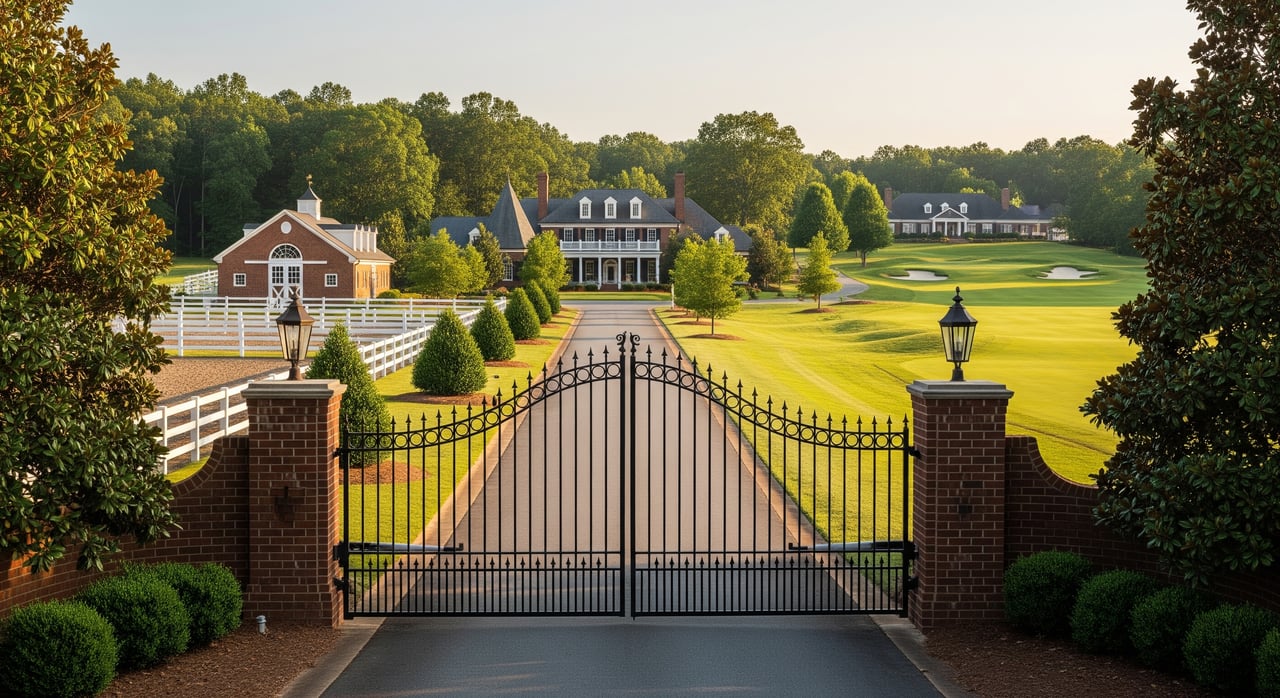
Is your perfect Marvin address beside a rolling fairway, past a quiet gate, or on acres with room for horses? Choosing between golf, gated, and equestrian communities is as much about daily life as it is about square footage. You want the right mix of privacy, amenities, rules, and long-term costs so your home fits how you actually live. This guide breaks down what to expect from each community type in Marvin, what to verify before you buy, and how to make a confident decision. Let’s dive in.
Marvin, NC at a glance
Marvin sits on the southern edge of the Charlotte metro in Union County. You get a semi-rural feel with estate lots and access to South Charlotte’s shopping, dining, and major employment centers. Commute times vary by time of day, so check live mapping tools to gauge your typical route to Uptown or SouthPark.
Local rules and zoning live with the Village of Marvin and Union County. Before you get attached to a specific property plan, verify what the municipal code and CC&Rs allow for animals, fencing, accessory buildings, and lot coverage. School boundaries are set by Union County Public Schools and can cross neighborhood lines, so always confirm assignments directly with the district.
What defines each community type
Golf-course communities
Golf neighborhoods in and around Marvin usually center on a private or semi-private course. Homes often line fairways or sit near preserved green space. Beyond the course, many clubs offer dining, pools, fitness centers, racquet sports, and a social calendar.
- Amenities: Course access, clubhouse, dining, fitness, pools, tennis or pickleball, social events. Some golf neighborhoods are also gated.
- Homes and lots: Luxury single-family homes on moderate to large lots, often positioned for golf or wooded views. Expect architectural guidelines and landscape standards.
- Governance: Two layers are common. The HOA manages neighborhood rules, while a club agreement governs course access and membership options.
- Costs: HOA dues plus optional or mandatory club dues. Some clubs require initiation or equity fees. Landscaping standards can add to monthly upkeep.
- Insurance: Standard homeowner policies apply. If a lot fronts water features, confirm any flood map designations and endorsements.
- Buyer fit: You want a built-in social scene, course access, and a polished neighborhood look.
Pros:
- On-site recreation and a ready-made social network.
- Maintained common areas that support curb appeal.
Cons:
- Higher dues and possible initiation fees.
- Stricter exterior and landscaping rules.
Gated communities
Gated neighborhoods focus on controlled access and a cohesive streetscape. Many include a clubhouse, pool, trails, or sports courts, though amenities vary by community size and fees.
- Amenities: Entry gate, landscaping, and often shared facilities like a pool or fitness center.
- Homes and lots: From luxury small-lot formats to estate parcels. Marvin leans toward low-density layouts, but verify lot size in each community.
- Governance: HOA rules typically cover exterior changes, parking, trash, rentals, and gate operations.
- Costs: HOA dues fund gate systems, common areas, and amenities. Smaller communities can have higher dues because security costs are spread over fewer homes.
- Insurance: Your policy covers your home. The HOA carries separate coverage for common areas and entry structures. Some carriers may offer small discounts for gated access.
- Buyer fit: You value privacy, low through-traffic, and a uniform neighborhood presentation.
Pros:
- Controlled entry and reduced cut-through traffic.
- Consistent streetscapes and centralized maintenance.
Cons:
- Rules can feel limiting to some owners.
- A gate does not guarantee lower crime; verify local statistics and staffing model.
Equestrian communities
Equestrian neighborhoods are built around horses and acreage. You’ll see barns, paddocks, arenas, and bridle trails. Some offer community boarding, while others expect private facilities on each lot.
- Amenities: Barns, arenas, paddocks, tack rooms, hay storage, wash racks, and shared bridle trails.
- Homes and lots: Larger parcels to support pastures and trailer access. In Marvin, that can range from a couple acres to hobby-farm scale.
- Governance: CC&Rs may set animal limits, stable setbacks, manure management, fencing standards, and whether commercial boarding or lessons are permitted.
- Costs: Ongoing expenses rise with fencing, pasture care, manure removal, hay and feed, farrier and veterinary services, and utility use.
- Insurance and stewardship: Equestrian liability and umbrella coverage are common recommendations. Pasture and runoff management follow state and county guidance; verify best practices before you buy.
- Buyer fit: You want space for animals and a rural feel with close-in access to Charlotte.
Pros:
- Room for horses and outdoor living, with a strong sense of privacy.
- A lifestyle that is hard to replicate in denser suburbs.
Cons:
- Higher time and financial commitment for property care.
- A narrower buyer pool when you resell compared to traditional neighborhoods.
Key costs to compare
Understanding the full carrying cost is essential. Ask for current budgets, fee schedules, and any recent or planned assessments.
- HOA dues: What do they cover? Look for line items such as road maintenance, landscaping, gate staffing, and reserve funding.
- Club membership: Are golf dues optional or mandatory? Confirm initiation, monthly dues, cart storage, and capital programs.
- Security operations: In gated neighborhoods, ask how gates are staffed or monitored and the annual cost structure.
- Equestrian ownership: Build a realistic annual budget for fencing repairs, pasture care, manure hauling, hay, feed, farrier, vet, and utilities. Pasture quality and water access drive costs.
- Insurance: Verify flood zone status on any lot with water features. For equestrian properties, ask about equine liability requirements, umbrella coverage, and any HOA stipulations.
- Property taxes: Check Union County’s parcel data and tax records for the most accurate estimate.
Property features that matter in Marvin
Lot size is only the start. Focus on function and fit.
- Usable acreage: Distinguish between total acres and workable pasture or yard after setbacks, buffers, and slopes.
- Orientation: Decide whether you want a golf view, a wooded backdrop, or a quieter interior lot. Confirm privacy buffers.
- Topography and drainage: Identify slopes, wetlands, and required stormwater controls. Pastures need thoughtful runoff management.
- Access: For equestrian buyers, confirm trailer turnaround, driveway grades, and proximity to paved roads.
- Utilities and systems: Large lots may require specific septic or well considerations. Barns and arenas add electrical and water demands.
Governance, rules, and documents to review
Before you submit an offer, request a full picture of how the community operates.
- CC&Rs, bylaws, and architectural guidelines.
- Recent HOA or club budgets, reserve studies, and the last 2 to 5 years of meeting minutes.
- Current dues, initiation fees, capital programs, and any special assessments.
- Rental policies, parking rules, and examples of recent enforcement actions.
- For equestrian communities: animal limits, barn setbacks, manure management plans, and commercial activity rules.
Resale and marketability
Think about your exit strategy, even if you plan to stay long term.
- Comparable sales: Use recent, same-community comps from the local MLS to gauge pricing and absorption.
- Buyer pool: Golf and gated neighborhoods typically have broader appeal. Equestrian properties can take longer to sell because the buyer pool is more specialized.
- Nearby projects: Ask about planned roads, commercial nodes, or large subdivisions that could influence traffic or values.
Decision checklist
Use this quick framework to align your choice with your lifestyle and budget.
- Lifestyle: How often will you use a course, trails, pool, or clubhouse? Is a social calendar important or would you rather invest in private amenities?
- Rules: Are you comfortable with exterior standards, rental restrictions, and parking rules? Do you need flexibility for animals or accessory buildings?
- Operating costs: Add up HOA dues, club fees, insurance, and maintenance specific to your property type.
- Property suitability: Confirm usable acreage, drainage, access, and orientation. Avoid surprises with realistic site walk-throughs.
- Risk and insurance: Verify flood status and specialty insurance needs with licensed professionals.
- Resale: Check same-neighborhood comps and days on market to understand liquidity.
How to verify details locally
A confident decision rests on current, local facts. As you narrow your search, use these resources and professionals:
- Village of Marvin planning and ordinances: Confirm zoning, lot-size minimums, accessory structures, and equestrian allowances.
- Union County GIS and tax assessor: Verify parcel lines, acreage, assessed values, and flood overlays.
- Union County Public Schools: Confirm school assignments and any boundary changes.
- Local MLS data: Review recent closed sales, active listings, and disclosed HOA or club fees in the specific neighborhood.
- FEMA Flood Map Service Center: Check flood zones for properties near creeks, ponds, or wetlands.
- North Carolina Department of Insurance and local brokers: Review homeowner, umbrella, and equine liability policy needs.
- NC State Extension: Learn best practices for pasture, manure management, and erosion control on small-acreage properties.
Which lifestyle suits you?
- Choose a golf community if you want daily access to a course, on-site dining and fitness, and a vibrant social calendar. Expect layered governance and potentially higher combined dues.
- Choose a gated community if you prefer controlled access, consistent curb appeal, and shared amenities without a club commitment. Review how the gate is staffed and the true cost of security.
- Choose an equestrian community if you value acreage, barns, and bridle trails. Build a full cost plan for animal care, fencing, and land stewardship, and confirm rules for lessons or boarding.
Ready to tour Marvin?
When you are weighing high-end options, careful due diligence and local guidance make all the difference. From CC&R review to fee verification, insurance questions, and property tours, you deserve a concierge approach grounded in data and tailored to your lifestyle. If you are comparing golf, gated, and equestrian communities in Marvin, connect with Sally Awad to align your search with costs, rules, and long-term value.
FAQs
Are golf club memberships mandatory in Marvin’s golf communities?
- It depends on the neighborhood and the club’s structure. Ask for written confirmation of whether membership is optional or mandatory, along with initiation and monthly dues.
Do gated communities in Marvin always have 24/7 staffed gates?
- Not always. Some use staffed gates, others use keypad or remote entry, and some combine models. Request the security plan and annual operating costs from the HOA.
What insurance should I consider for an equestrian property in Marvin?
- Start with homeowner and umbrella coverage, then discuss equine liability with a licensed broker. If you plan lessons or boarding, additional coverage may be required by the HOA.
How do I confirm school assignments for a Marvin address?
- Use the Union County Public Schools assignment lookup for the specific property address, since boundaries can cross neighborhood lines and may change.
What documents should I review before buying in a Marvin HOA community?
- Request CC&Rs, bylaws, architectural guidelines, budgets, reserve studies, meeting minutes, current dues, special assessments, and recent enforcement examples.
How can I check flood risk for a Marvin property near a pond or creek?
- Review the FEMA flood map for the parcel and consult your insurance broker on coverage options and any required endorsements.