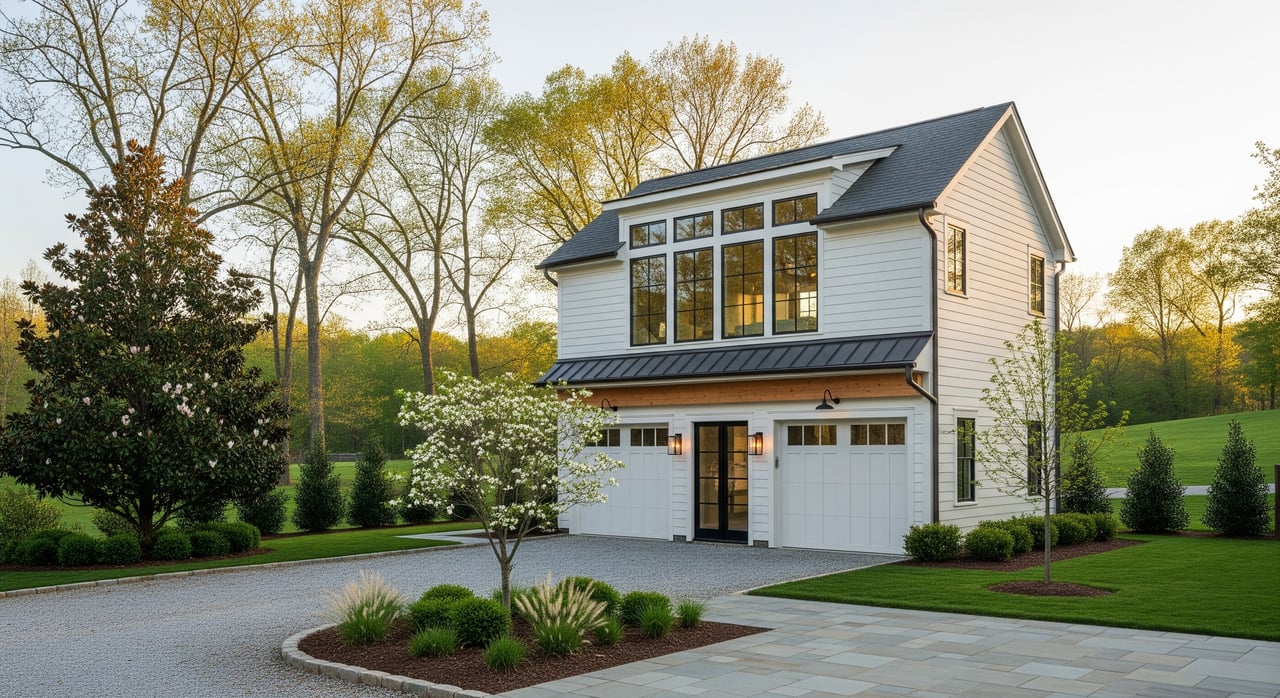
Thinking about adding a detached garage or backyard studio in Marvin? The idea is exciting until you hit questions about setbacks, easements, impervious limits, and permits. You want a smooth approval process that protects your property value and keeps the design aligned with Marvin’s character. In this guide, you’ll learn how the Marvin Development Ordinance (MDO) treats detached garages and studios, the site constraints to check early, and the steps to secure the right approvals. Let’s dive in.
What the MDO Covers and Why It Matters
The MDO sets the rules for where and how you can build accessory structures. Understanding the basics helps you design confidently and avoid costly redesigns.
Accessory structure vs. ADU
A detached garage or studio can be classified as a non-habitable accessory building or a habitable accessory dwelling unit (ADU). If your studio includes living space or is intended for rental use, it may trigger ADU rules with different size, parking, and occupancy standards. Confirm how your intended use is classified before you finalize plans.
Height, setbacks, and coverage
Detached buildings must meet height limits and setbacks by zoning district. Many districts allow reduced side and rear setbacks for accessory buildings but prohibit them in front yards. You may also see limits on footprint or a cap on rear-yard or impervious coverage. Pull the current tables in the MDO for your zoning district to verify the exact standards.
Design and materials
Some residential areas require architectural compatibility so your garage or studio complements the main home. That can include roof pitch, height relationships, and exterior materials. Confirm whether your neighborhood or zoning district includes compatibility standards before you select finishes.
Site Constraints to Check First
Your lot’s recorded documents and natural features often dictate where a garage or studio can go. Start with these checks.
Easements and utilities
Public utility easements and private access easements commonly cross side and rear yards. Building in an easement is usually prohibited, and releases are rare. Review your recorded plat and deed for easements and request utility locates through the 811 service before siting foundations.
Septic systems and health department rules
If your property is on septic, you cannot place structures over drain fields. Obtain septic records from Union County Environmental Health so you understand protected areas and setbacks from tanks and lines.
Streams, buffers, and floodplain
State and local stream buffers and any wetlands limit where you can build. Check your parcel on the FEMA Flood Map Service Center for flood-zone designations, and consult NCDEQ resources for riparian buffer and wetland guidance.
Slopes, soils, and drainage
Steep slopes or poor soils can affect foundation design and cost. Plan for stormwater management and consider how new roof and driveway areas will change runoff. You may need engineered solutions or best management practices if your project expands impervious area beyond thresholds.
HOA and deed restrictions
Many Marvin properties are in covenanted communities. Architectural review board approval may be required and can be more restrictive than the MDO. Align your concept with both sets of rules from the start.
Early Planning Steps for a Smooth Approval
A little due diligence goes a long way toward saving time and money.
Quick property research checklist
- Confirm your zoning district and review the MDO section on accessory uses.
- Pull your recorded plat and deed to map any utility or access easements.
- Call 811 for utility locates before any digging.
- Request septic records from Union County Environmental Health.
- Check FEMA flood maps for your property and note any elevation constraints.
- Identify streams or wetlands and applicable buffers.
- Review HOA or ARB guidelines and submittal requirements.
Pre-application with the Town of Marvin
Schedule a conversation with planning staff to review your concept, setbacks, and submittal items. Staff can confirm whether your proposal is a non-habitable accessory building or an ADU and whether it requires an administrative site plan. Start at the Town of Marvin’s official website for Planning & Zoning and ordinance links.
Zoning compliance and when a site plan is needed
Most detached garages and small studios need a zoning permit or Certificate of Zoning Compliance. Larger footprints, habitable structures, or projects that increase impervious area beyond a threshold may trigger an administrative site plan. Planning staff will advise on the correct path.
Building permits and inspections
Structural, electrical, plumbing, and mechanical work typically require building permits and inspections. Coordinate with Union County Building Inspections to confirm the permit process for Marvin addresses and the sequence of required inspections.
Designing a Garage or Studio That Works in Marvin
Your goal is a structure that functions well, fits your site, and clears approvals without delays. Use these design pointers to guide your plans.
Siting and access
- Prioritize side or rear yards that meet accessory setbacks and avoid easements.
- Plan safe driveway access and turning radii for vehicles, considering sight distance at the street.
- Keep required separation from the primary home for fire safety if the MDO specifies a minimum distance.
Stormwater and impervious area
- Minimize new hardscape where possible to stay within any impervious limits.
- Consider permeable pavers or short driveway connections to reduce runoff.
- Include gutters and properly directed downspouts; discuss simple infiltration options with your designer if feasible.
Future-proofing for flexible use
- If the space could become habitable later, plan structural loads, window placement, and rough-in locations now. A finished studio may shift the classification to an ADU that follows different zoning and permit rules.
- Think through utility routing for power, data, and HVAC, especially if you anticipate workspace or hobby use.
Architectural compatibility
- Echo roof pitch, massing, and key materials from the primary home if your district or HOA requires compatibility.
- Keep scale appropriate to the lot and neighborhood character to maintain value and market appeal.
Avoiding Common Pitfalls
A few missteps create most delays. Here’s how to steer clear of them.
- Skipping the plat review. Many projects stumble when an overlooked easement crosses the planned garage location. Verify easements early.
- Assuming studio space is always non-habitable. If you add sleeping, cooking, or rental use, you may trigger ADU standards and building permits you did not plan for.
- Overlooking septic protections. Even a small shift in the footprint can avoid a drain field. Get the septic map before you draw final plans.
- Underestimating stormwater impacts. Added roof and driveway area can push you past a threshold that changes your review path. Ask planning staff about impervious accounting.
A Clear Process You Can Follow
Use this simple sequence to keep your project on track.
- Concept and site fit
- Define your use: storage, hobby studio, or potential ADU.
- Walk the site to identify likely locations and access options.
- Due diligence and records
- Pull zoning, plat, and deed; call 811; obtain septic and flood information; verify streams and buffers with NCDEQ resources.
- Pre-application checkpoint
- Meet or coordinate with Town of Marvin planning staff to confirm setbacks, classification, and review thresholds.
- Design and submittal
- Prepare a simple site plan showing dimensions, setbacks, and access. If required, obtain a sealed site plan for administrative review.
- Permits and construction
- Secure zoning approval, then apply for building permits with Union County. Schedule inspections throughout construction.
When to Bring in Pros
- Surveyor. A current survey helps place setbacks and easements precisely, which reduces risk.
- Engineer. Consider engineering support for steep slopes, retaining walls, or stormwater control.
- Architect or designer. Professional drawings improve approvals and long-term value, especially if you want architectural harmony with a custom home.
Local Contacts and Resources
- Town of Marvin Planning & Zoning: ordinance access, zoning permits, and pre-application guidance. Start at the Town of Marvin website.
- Union County Building Inspections and Environmental Health: permits, inspections, and septic records at the Union County website.
- FEMA Flood Map Service Center: parcel-level flood zone mapping at the FEMA portal.
- NCDEQ: state guidance on buffers, wetlands, and stormwater at NCDEQ’s website.
- Utility locates: schedule before any excavation at 811’s national portal.
Your detached garage or studio can add real utility and long-term value when it aligns with the MDO and your site’s constraints. Start with due diligence, confirm classification early, and keep compatibility and drainage in view. If you need guidance on how a project like this could impact resale or buyer appeal in Marvin’s luxury market, we’re here to help.
Ready to plan with confidence and protect your property value? Request a Private Luxury Consultation with Sally Awad to talk through design choices, approval timelines, and market-smart improvements.
FAQs
How does Marvin’s MDO define a detached garage or studio?
- The MDO treats these as accessory structures, with different rules for non-habitable buildings versus habitable accessory dwelling units. Check your zoning district’s accessory use section.
What setbacks apply to a detached garage in Marvin?
- Setbacks vary by zoning district. Many districts allow reduced side and rear setbacks for accessory buildings, but you should confirm your exact numbers in the MDO tables.
Can I convert my detached garage into a studio or guest space later?
- If the space becomes habitable or used as a rental, it may be classified as an ADU, which can change approvals, permits, and parking requirements.
Do roofs and driveways count toward impervious limits?
- In many ordinances, roof area and driveways count toward impervious caps. Verify definitions and thresholds in the MDO for your parcel.
What if a utility easement crosses my preferred building spot?
- Building within an easement is typically prohibited and releases are uncommon. It’s usually faster to shift the design outside the easement area.
Who issues building permits for Marvin projects?
- Building permits and inspections are typically handled by Union County. Confirm requirements and sequencing with Union County Building Inspections.
Should I schedule a pre-application meeting before I design?
- Yes. Town of Marvin planning staff can confirm setbacks, classification, and whether you need an administrative site plan, helping you avoid redesigns.