
April 16, 2026
Looking for a place where luxury resale potential and historic charm can both make sense? In Waxhaw, you are not limited to one investment story. You can explore higher-end homes that may benefit from smart lifestyle upgrades, or you can look at historic properties where careful rehabilitation and local incentives may create opportunity. If you want a clearer picture of where value may come from and what to watch before you buy, this guide will help you think through both paths. Let’s dive in.
Waxhaw has the kind of market profile that gets investors’ attention. The town’s estimated 2024 population reached 23,178, up 12.8% from 2020, and Census QuickFacts shows a median household income of $131,894, an 83.0% owner-occupied housing rate, and a median owner-occupied home value of $549,400.
That matters because strong ownership levels and higher household incomes can support renovation and resale activity, especially in upper price points. In simple terms, Waxhaw appears to offer a buyer pool that values presentation, function, and long-term livability.
Current market conditions also suggest steady demand. According to Canopy MLS market statistics for February 2026, Waxhaw had a median sales price of $690,000, an average sales price of $737,328, 207 homes for sale, and 2.7 months of supply, with homes selling at 95.5% of original list price on average.
For you as an investor, that points to a market with relatively tight inventory and active buyer interest. Well-planned improvements may have room to stand out, especially when a property aligns with what buyers already want.
One of Waxhaw’s biggest strengths is that it offers two very different investment categories. You can target luxury homes in newer or high-end settings, or you can focus on historic properties tied to the town’s established character.
Each path comes with a different strategy. Luxury investments often center on lifestyle upgrades and resale appeal, while historic investments tend to reward preservation-minded improvements and careful due diligence.
The luxury segment has a clear supply signal. Toll Brothers announced a Waxhaw luxury community with only 12 home sites, floor plans from 3,905 to more than 5,200 square feet, and pricing starting at $1.1 million.
That does not guarantee every luxury investment will perform the same way, but it does show that builders see demand at the upper end of the market. It also reinforces Waxhaw’s positioning as a destination for buyers seeking space, design, and proximity to downtown Waxhaw with access to commuter routes toward Charlotte.
In this segment, the most practical opportunities are usually not full reinventions. Based on the features emphasized in current luxury product, value-add potential is most likely to come from updates that improve how a home lives and presents.
Potential improvement themes include:
These ideas line up with the design features highlighted in current luxury offerings in Waxhaw. If you are renovating for resale, it helps to focus on updates that feel current without overbuilding for the immediate market.
Waxhaw’s housing profile suggests many renovated luxury homes may be best positioned for resale to owner-occupants rather than a purely rental-driven hold. That is a reasonable inference from the town’s high ownership rate and income profile shown in Census QuickFacts.
If your strategy depends on maximizing monthly yield, you may need to underwrite very carefully. If your plan is to create a polished, move-in-ready product for an end buyer, the market setup may be more supportive.
Local growth rules may also shape long-term supply. In 2024, Waxhaw adopted Conservation Design Development rules that require 50% of land in new developments to remain undisturbed and also added a low-density R2 district.
For investors, that can mean two things at once. Neighborhood character and open space may support premium values, but approvals and site planning may also move more deliberately over time.
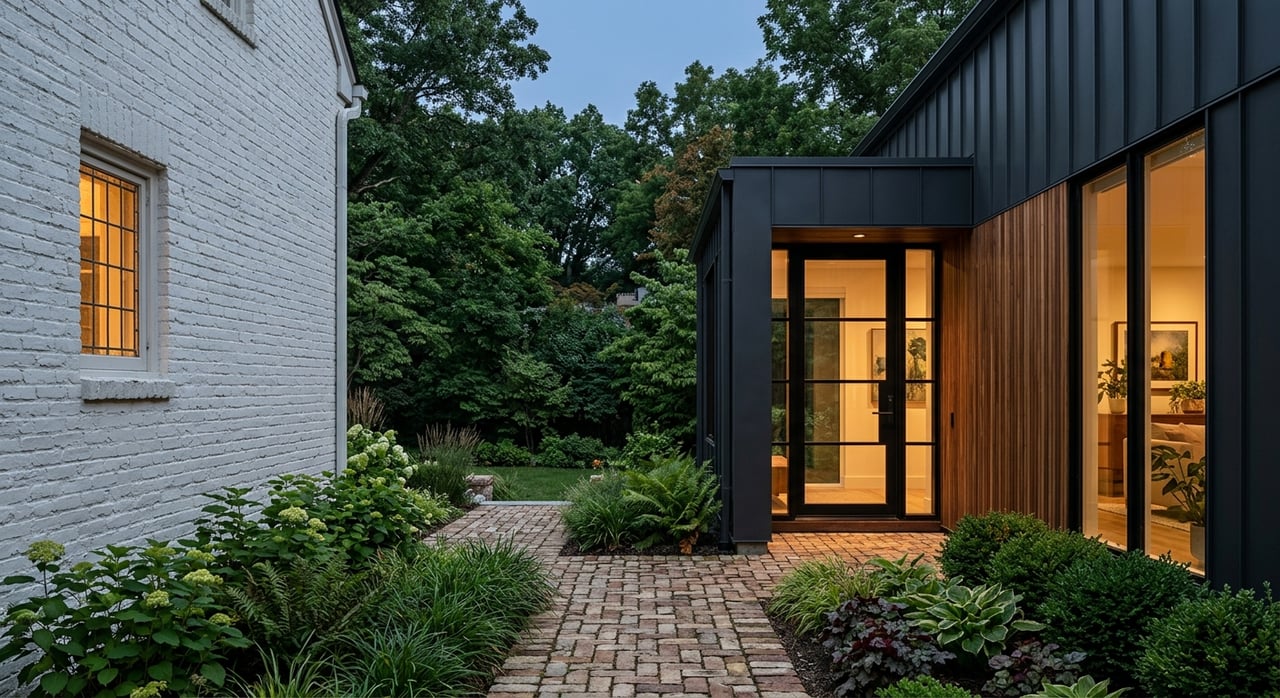
Waxhaw’s historic identity is a real part of its market story. The town says its downtown historic district is on the National Register of Historic Places, and town history materials describe a downtown core with five blocks of early 1900s buildings, a cotton mill built in 1898, and several blocks of historic residential homes.
For you, that creates a very different kind of investment opportunity. Historic properties can offer charm and scarcity that newer homes cannot easily replicate, especially in a downtown environment that has seen visible reinvestment.
Downtown Waxhaw is not standing still. The town reports that Downtown Waxhaw’s Main Street program is a Main Street America Accredited program with more than 100 small businesses and over 750 employees. Since 2009, the program has produced 83 building rehabs, 15 façade renovations, 39 public improvement projects, $26 million in total investment, 60 net new businesses, and 306 net new jobs.
That level of reinvestment can support demand for nearby historic properties by strengthening the downtown environment around them. For investors, a healthier town center often matters because it can improve how buyers and tenants perceive convenience, walkability, and long-term appeal.
With historic homes, the best value-add plays are often practical rather than flashy. The most realistic improvements tend to preserve character while improving comfort and function.
These projects often include:
This approach matters because the value in a historic property often comes from balancing old and new. Buyers may appreciate updated systems and better daily function, but they also want the home’s original character to remain intact.
A common question is whether National Register status automatically limits what you can do. According to the National Park Service FAQ on the National Register, listing by itself does not create federal restrictions on a private owner.
The local layer is where you need to pay close attention. In Waxhaw, the Historic Preservation Commission reviews Certificates of Appropriateness for repairs and maintenance of local historic landmarks, administers façade improvement grants, and uses local historic landmark standards as design guidance.
That means exterior work on designated landmarks or downtown historic properties may require local review. Before you assume a renovation plan is straightforward, it is wise to confirm whether the property falls under any local historic review process.
Historic tax incentives can be helpful, but the rules are specific. The National Park Service tax incentives overview states that the federal 20% rehabilitation credit applies to certified historic structures used for business or other income-producing purposes, not owner-occupied residential properties.
North Carolina’s current rehab instructions also include a 15% state credit for nonincome-producing state-certified historic structures with at least $10,000 in rehabilitation expenses, subject to per-parcel caps. If you are evaluating a historic purchase, that distinction can materially affect your numbers.
Waxhaw also offers a local Building Exterior Improvement Grant for historically appropriate rehabilitation projects within its approved downtown program boundary, including commercial, industrial, residential, and institutional buildings. The town’s history page also notes its Certified Local Government status, which supports access to preservation-related funding, training, and technical assistance.
For investors, these programs may not cover an entire project, but they can improve the math on the right property. The key is to verify eligibility early rather than treating incentives as a bonus that will automatically appear later.
No matter which path you choose, due diligence matters. Waxhaw states that permit submissions and inspection requests go through its permit portal, and code enforcement may address unpermitted construction, dilapidated structures, zoning violations, and unpermitted accessory buildings.
That makes pre-purchase review especially important for older homes and renovated properties. If previous work was done without permits, your timeline and costs can change quickly.
You should also account for local property taxes in your holding costs. Waxhaw residents pay both town and county taxes. The town rate is 29 cents per $100 of assessed value, and Union County’s FY 2025-2026 rate is 43.42 cents per $100, with taxes due September 1 and delinquent after January 5.
Even in a strong market, carrying costs can shape your return. A good investment can become a weaker one if your timeline stretches and your budget does not fully capture taxes, financing, insurance, and project delays.
If you want a cleaner, more modern resale story, Waxhaw’s luxury segment may offer the more straightforward path. Buyer demand, limited supply, and strong interest in lifestyle-driven features can support thoughtful upgrades when the property, pricing, and finish level are aligned.
If you are drawn to downtown character and are comfortable navigating local review standards, historic homes may offer a more specialized opportunity. In the right case, preservation-sensitive improvements and available incentives can create value while preserving the architectural story that makes the property distinctive.
The best fit depends on your timeline, risk tolerance, renovation experience, and exit strategy. In both cases, disciplined underwriting and local market insight are what separate an interesting property from a sound investment.
If you are exploring Waxhaw opportunities and want a data-driven, high-touch perspective on renovation potential, resale positioning, and market fit, connect with Sally Awad. You will get thoughtful guidance tailored to your goals, whether you are pursuing a luxury flip, a historic rehab, or a long-term hold.
Ten years into her real estate career, Sally remains just as committed to her clients as she did when she first earned her license. She thoroughly enjoys partnering with clients to realize their dream of homeownership, genuinely striving to have each and every client feel valued, heard, and understood throughout their home-buying journey.